When we describe an artwork as monumental, we often imagine something physically large: a towering sculpture, an enormous painting, or an architectural installation that fills an entire space. Yet size alone does not make a work monumental. A truly monumental artwork possesses a sense of presence. It changes the way we experience the room around it, invites us to stop, and leaves an impression that remains long after we have walked away.
Monumentality begins with intention. The artist must approach the work with a clear understanding of what it is meant to communicate. Every decision, from the choice of material to the smallest detail, contributes to the final emotional effect. A monumental work is rarely created simply to decorate a space. It is designed to carry meaning, to preserve a memory, or to express an idea that feels larger than the individual artist.
Scale certainly plays an important role. A large work demands a physical response from the viewer. We may need to step back in order to see it fully, move around it, or look upward. This movement creates a relationship between the artwork and the body. The viewer does not merely look at the work from a distance but becomes part of the experience.
However, scale can also be psychological rather than physical. A relatively small object may feel monumental because of the story it carries, the technical mastery behind it, or the emotional intensity it creates. An artwork becomes monumental when it seems to contain more than its dimensions suggest.
Materials contribute strongly to this feeling. Wood, stone, bronze, gold, and other enduring materials often carry a sense of permanence. They remind us of ancient monuments, religious spaces, royal objects, and cultural traditions. Their weight and texture give the artwork a physical authority.
The choice of material also affects how the viewer understands time. A carved wooden relief, for example, reflects hours of careful labor. Every surface has been shaped by hand. The viewer may not know exactly how long the process took, but the complexity of the work communicates dedication, discipline, and patience.
This visible investment of time gives the artwork significance. In a world in which many images are produced and consumed quickly, a work that required months or years to complete feels almost radical. It asks the viewer to slow down and recognize the value of craftsmanship.
Detail is another essential element of monumentality. Large works often reveal themselves gradually. From a distance, the viewer sees the overall composition. As they move closer, smaller figures, textures, symbols, and decorative elements become visible. The artwork offers multiple levels of experience.
This balance between the whole and its individual parts is difficult to achieve. Too much detail can create confusion, while too little can make a large work feel empty. In a successful monumental composition, every detail supports the central idea without competing with it.
Light can transform the work further. Materials such as polished wood, metal, and gold leaf respond continuously to changing illumination. As the viewer moves, certain areas become brighter while others fall into shadow. This creates a sense of movement even when the object itself remains still.
Gold is especially powerful in monumental art because it does not simply add color. It reflects light. It can guide the viewer's attention, emphasize sacred or important figures, and create contrast against darker materials. Used carefully, it becomes part of the visual narrative rather than mere decoration.
A monumental work also often carries cultural or historical meaning. It may reinterpret a familiar biblical scene, commemorate an event, or connect contemporary viewers with traditions from the past. These references give the artwork depth. The viewer is not looking only at a single object but at a conversation between different periods, beliefs, and artistic languages.
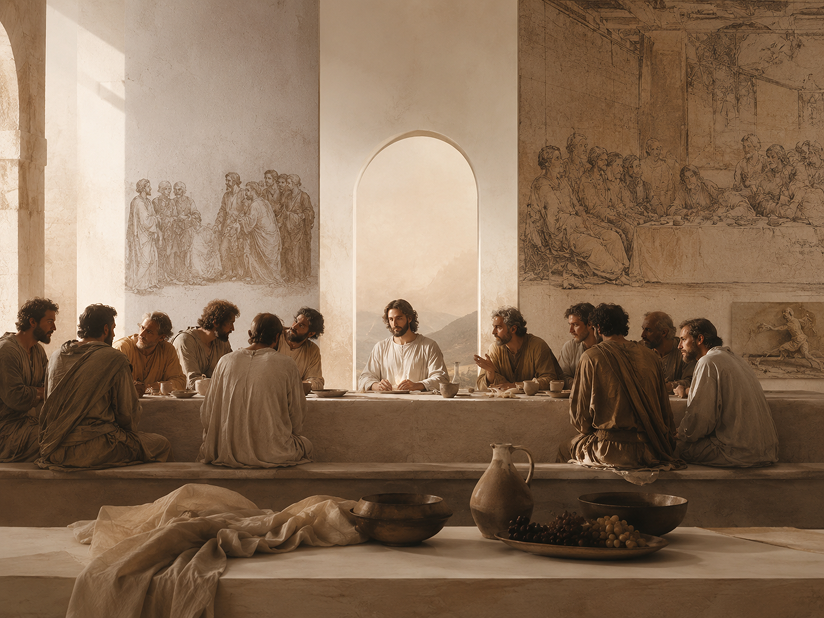
The Last Supper, for example, has been represented countless times throughout art history. A new interpretation enters into dialogue with Leonardo da Vinci, Gustave Doré, and many other artists. The contemporary artist must respect the history of the subject while finding a personal way to present it.
This relationship between tradition and originality is central to monumentality. Great works do not simply repeat familiar imagery. They transform it. They allow us to see an old subject through a new material, perspective, or emotional atmosphere.
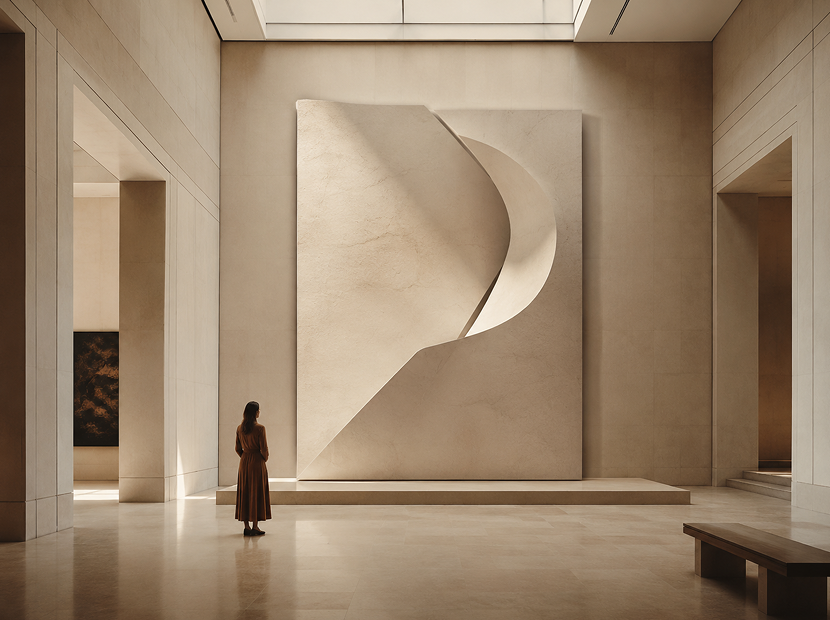
The physical environment also matters. A monumental work can alter the identity of the space in which it is displayed. In a museum, gallery, religious building, or private collection, it becomes a focal point. The architecture, lighting, and distance from which the work is viewed all influence its impact.
Ideally, the artwork and the surrounding space should support one another. The environment should give the viewer enough room to observe the work from afar and then approach it closely. Proper lighting should reveal texture without flattening the surface. The presentation should create a sense of respect without making the work feel inaccessible.
Ultimately, what makes an artwork truly monumental is its ability to bring together physical presence, technical skill, emotional intensity, and lasting meaning. It must impress us from a distance while rewarding close attention. It must belong to its own moment while also speaking beyond it.
A monumental work does not ask to be noticed for only a few seconds. It invites reflection. It creates an encounter between the artist, the material, the subject, and the viewer.
Long after we leave the space, we may remember a particular figure, a golden reflection, the depth of the carving, or the atmosphere created by the composition. That lasting memory is perhaps the clearest sign of monumentality. The artwork continues to exist within us, becoming larger than the physical object itself.